By Rohan Gowda, Journalism Enthusiast
The recent, shocking attempt by an advocate to hurl a shoe at the Chief Justice of India, Justice B. R. Gavai, in the Supreme Court has unmasked a profound crisis of constitutional morality in India. The incident, reportedly triggered by the CJI’s controversial remarks on a religious plea, presents a complex ethical and legal dilemma. We must rigorously justify one thing: the absolute necessity for all forms of dissent—from the individual advocate to organized public movements—to be strictly upheld within the framework of constitutional remedies.
The Constitution stands supreme, transcending the individual actions of a judge, the volatile protest of a lawyer, and the mass mobilization of a political organization.
The Dual Violation of Constitutional Core Values
The entire episode is marked by a dual violation of constitutional core values: one by the sitting Judge and another by the protesting Advocate, compounded by a third, critical violation by organizations purportedly led by the marginalized.
1. The Judicial Violation: Disrespect for Religious Belief
The advocate’s purported motive stemmed from the CJI’s earlier observation during a hearing on a plea concerning a religious idol. While the judiciary’s role is to apply the law, an observation perceived as condemning or disrespecting a religious belief by the head of the nation’s highest judicial body tragically violates the constitutional core value of secularism and the right to freedom of religion. Judicial decorum demands that the Bench, even in jest or while dismissing a “publicity interest litigation,” must not be seen to insult or mock any religious faith.
2. The Advocate’s Violation: The Act of Unconstitutional Protest
The act of throwing a shoe, or attempting to do so, is a grave offense. It is an unconstitutional act that violates the principle of respect for the rule of law and the dignity of the judicial institution. The advocate, who is an officer of the court, possessed every constitutional right to seek a review, file a formal complaint, or petition the appropriate authority against the perceived judicial indiscretion. By resorting to a physical and disorderly display, he chose an unconstitutional path, which is rightly condemned and has led to his suspension by the Bar Council. The Constitution allows for protest, but never for violence or an attack on its institutions.
The Peril of Pragati Para Organisations: Misusing Ambedkar’s Legacy
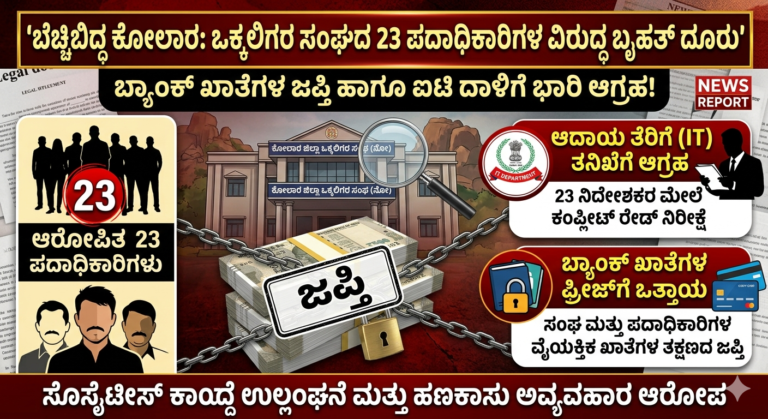
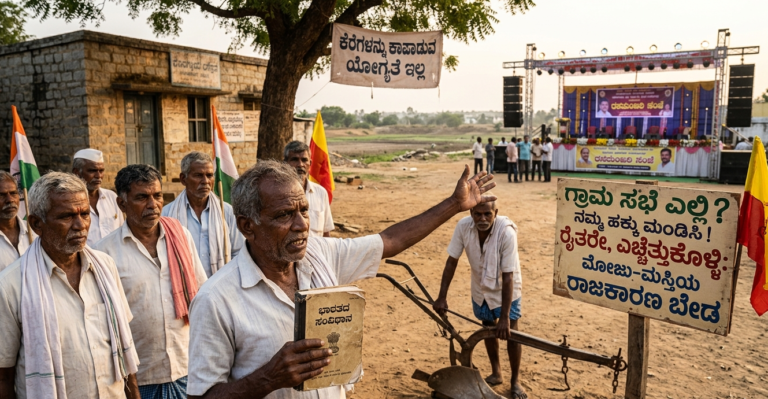
The subsequent reaction, particularly from Dalit Sangas and Ambedkar Sangas in regions like Kolar District, Karnataka, introduces the most grievous and horrifying aspect of this entire affair.
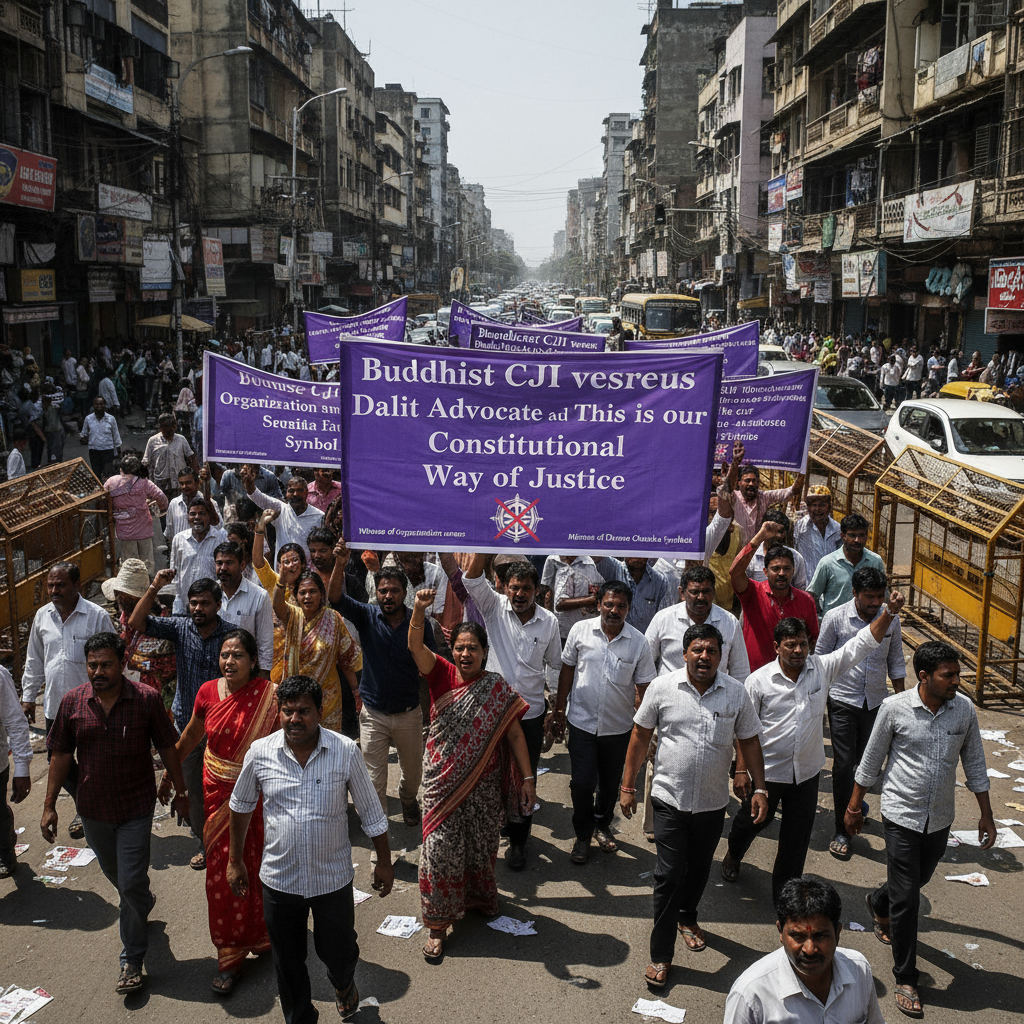
These organizations, rallying to demand the advocate’s immediate arrest and a public ‘bandh’, while acceptable in its outrage, committed a fundamental error of procedure. This action highlights a severe and dangerous form of discrimination: discrimination among constitutional fundamentals.
- Bypassing the Constitutional Code: Dr. B. R. Ambedkar, whose name and principles form the very foundation of these groups, championed the Constitution as the ultimate tool for change. He was a beacon of high literacy and educated leadership. Yet, in this instance, organizations bearing his name chose to immediately come down to the streets and resort to a disruptive, unconstitutional representation like a bandh.
- A Lack of Constitutional Literacy: The correct procedure was to file an application, appeal to the Bar Council, or approach the court for contempt proceedings—to act towards getting law through constitutional procedures, respecting the Constitution itself. The direct descent into street agitation and bandh calls, even before exhausting the legal options, tragically suggests a lack of literacy regarding the very document Ambedkar gifted the nation.
- The Political Threat: This pattern of misdirected, unconstitutional protest creates an environment where political influencers are misusing public unity by misguiding citizens through their agenda. Such actions disturb social peace and harmony and foster a widespread disbelief about literacy and the Constitution itself.
Conclusion: The Call for Constitutional Discipline
There can be no discrimination with respect to ranks—the CJI is as accountable to the Constitution’s values as the advocate, and the organizations. If the CJI erred, the constitutional remedy is a motion of privilege or impeachment. If the advocate erred, the constitutional remedy is contempt of court and disciplinary action.
The public must understand this: If you belong to an organisation, you must follow procedures as per the code of the Constitution. Only after all constitutional doors are shut do citizens have the right to protest, and even then, within the limits of the Constitution.
The organizations that resorted to the bandh and unconstitutional procedures must be condemned. Their actions betray the educated legacy of Dr. Ambedkar and, if unchecked, will trigger the destruction of the Constitution of India by eroding the youth’s faith that the principles learned in education can be implemented to build their careers and the future of the nation. Constitutional remedies must be unfolded and respected by all.
About The Author