By Rohan Gowda
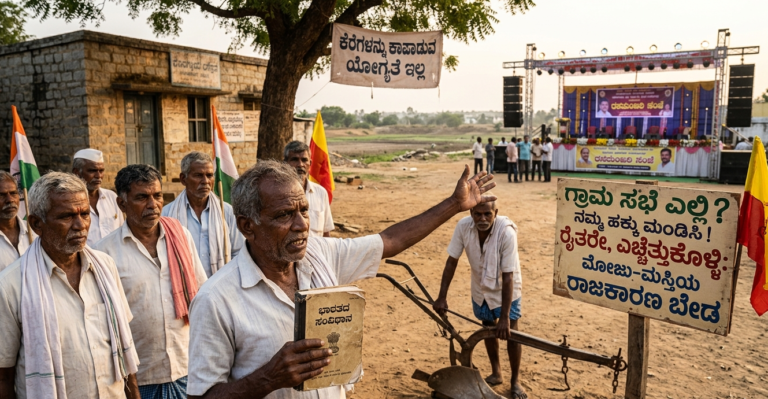
A growing chorus of students, educators, and citizens is raising urgent questions about India’s reservation system, arguing that it directly contradicts the spirit of unity and integrity that forms the bedrock of our nation. The policy, intended to uplift marginalized communities, is now seen by many as a direct misconduct of constitutional principles, particularly Articles 14-18, fostering discrimination instead of equality and threatening the administrative strength of the country.
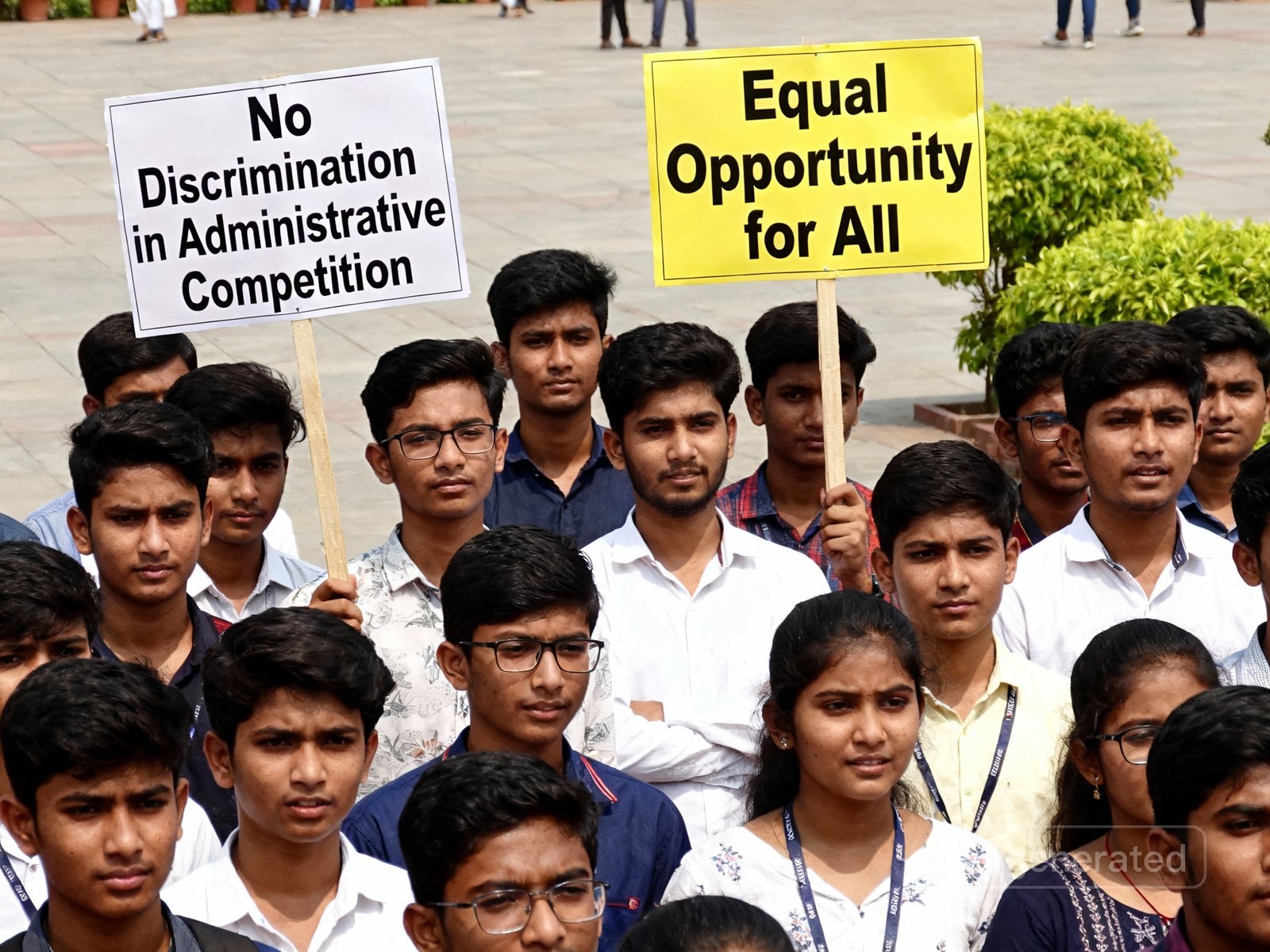
The core of the issue lies in the implementation of reservation in competitive examinations and admissions to educational institutions. Many talented students who achieve high scores and are fully eligible for positions are being denied opportunities solely due to a system that prioritizes quotas over merit. This practice is not only “killing opportunities” for deserving individuals but is also creating a deep-seated sense of injustice among the youth, who are beginning to lose faith in the constitution itself. If the system remains unchanged, there is a palpable fear that the nation’s brightest minds may be pushed toward wrong decisions out of sheer desperation.
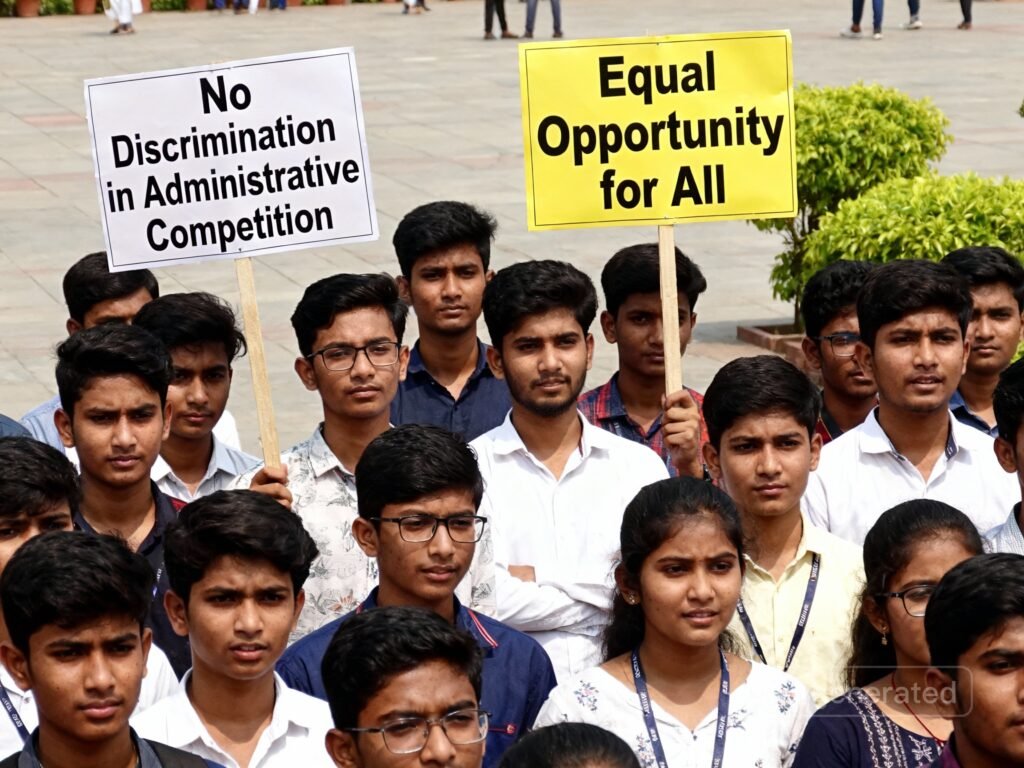
Sidelining meritorious candidates, the system “kills opportunities” and erodes the youth’s faith in justice. It concludes with a powerful call to action: to replace caste-based quotas with a robust, economic-based support system that empowers every needy student, ensuring that true merit and fair competition pave the way for a stronger, more unified India.
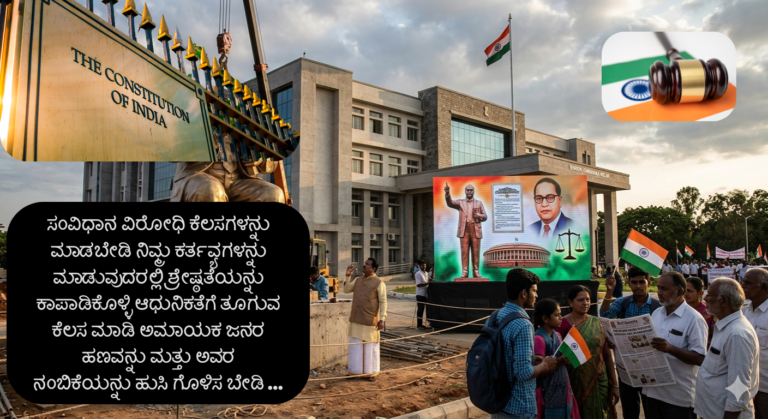
The very motto of “unity and integrity” is at stake. How can a nation remain united when its policies create divisions among its students from the very beginning? Even Dr. B.R. Ambedkar, a principal architect of the Indian Constitution, envisioned reservation as a temporary measure for a limited period. However, its continued and expanded application is seen today as an extreme misuse of the law, perpetuating the very caste-based distinctions it sought to erase.
A more just and effective path forward is being proposed, one that shifts the focus from caste to economic status. Instead of reserving seats, the government and the judiciary are being urged to provide support to any student—regardless of their caste, be it SC, ST, OBC, or General—who is in genuine need due to their economic condition. This support should be comprehensive, empowering them with the right amenities and covering the complete fees required to prepare for and excel in competition.
This approach would ensure that no student is left behind due to financial hardship while allowing merit and fair competition to determine the future of our nation’s administration. By investing in the potential of every needy student, India can build a truly qualitative and robust administrative framework. It is time to reform a system that is failing its youth and to recommit to the constitutional promise of equality and opportunity for all, thereby strengthening the unity and integrity of our great nation.
About The Author